
Favorite Products For Terrazzo Floor Installation You Can Trust
Browse trusted supplies and equipment that help create beautiful, resilient terrazzo floors with ease.
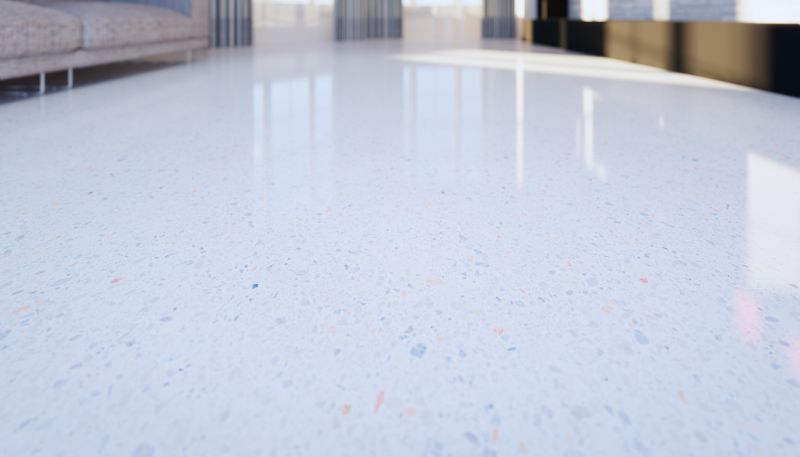 Terrazzo flooring is renowned for its distinctive aesthetic and durability, making it a popular choice for both residential and commercial spaces. Installing terrazzo involves a variety of specialized products that ensure the surface is properly prepared, installed, and finished. From the initial surface preparation to the final sealant application, selecting the right products can influence the longevity and appearance of the finished floor. Quality tools and materials are essential for achieving a smooth, seamless surface that highlights the unique chips and aggregates characteristic of terrazzo.
Top Overall Option
Premium Epoxy Resin for Terrazzo
A high-quality epoxy resin designed specifically for terrazzo installations offers excellent adhesion, clarity, and chemical resistance. It provides a durable bonding layer for decorative chips and aggregates, resulting in a smooth, glossy finish. This type of resin is versatile and can be used in both new installations and renovation projects, ensuring a long-lasting surface that maintains its appearance over years of use.
Types of Products For Terrazzo Floor Installations
Cementitious Binder Mix
A traditional cement-based binder used to embed chips and create the terrazzo matrix, suitable for both indoor and outdoor applications.
Epoxy Resin Binder
A modern alternative to cement, epoxy binders offer enhanced adhesion, clarity, and chemical resistance, ideal for intricate designs.
Grinding and Polishing Pads
Specialized pads used to smooth and polish the terrazzo surface, revealing the chips and achieving a high-gloss finish.
Sealants and Topcoats
Protective coatings that seal the surface, enhance shine, and provide resistance against stains and wear.
Colorants and Dyes
Additive products used to customize the color palette of the terrazzo by tinting the binder or chips.
Concrete Surface Preparation Tools
Equipment such as grinders and scarifiers used to prepare existing concrete surfaces for terrazzo installation.
Decorative Aggregate Chips
Variety of chips made from marble, glass, or other materials used to create the visual appeal of terrazzo floors.
Mixing and Troweling Tools
Tools designed for mixing the binder and chips and for spreading the mixture evenly across the substrate.
Edge Finishing Tools
Specialized tools to achieve clean, precise edges and transitions in terrazzo flooring.
Cleaning and Maintenance Products
Products formulated to clean and maintain terrazzo surfaces without damaging the finish.
Underlayments and Moisture Barriers
Materials used beneath terrazzo to prevent moisture issues and provide a stable base.
Vacuums and Blowers
Equipment to remove dust and debris during installation and finishing processes.
Adhesion Promoters
Chemicals that enhance the bonding strength between the substrate and the terrazzo mix.
Edge Trims and Transitions
Accessories used to create clean edges and seamless transitions between different flooring types.
Curing Compounds
Products that assist in the proper curing of epoxy or cement mixes, preventing cracks and defects.
Popular Choices
Widely used for its clarity and durability, epoxy resin is favored for embedding chips and creating a smooth surface.
A traditional option that provides a sturdy base with a classic appearance, suitable for various settings.
Popular for their efficiency in smoothing and polishing terrazzo surfaces to achieve a high shine.
Commonly used to protect terrazzo floors and enhance their visual appeal with a glossy finish.
Trending for their vibrant colors and reflective qualities, adding a modern touch to terrazzo designs.
Preferred for their ability to produce a mirror-like finish on terrazzo surfaces.
Essential tools for preparing existing concrete substrates for terrazzo installation.
Popular for customizing the color schemes of terrazzo floors to match design preferences.
Used for repairs and patching, ensuring a seamless surface before final finishing.
Facilitate clean cuts and edges, contributing to a professional appearance.
Commonly selected to prevent moisture issues underneath terrazzo floors.
Popular for dust extraction during grinding and polishing processes.
Frequently used to improve bonding between substrate and terrazzo mixes.
Helpful for creating smooth transitions between terrazzo and other flooring materials.
Widely used to ensure proper setting and minimize cracking during curing.
The installation process typically begins with thorough surface preparation, which may include grinding and cleaning to create an ideal base. Once prepared, the mix of cement or epoxy binder with decorative chips is poured or embedded into the substrate. After curing, the surface requires polishing and sealing to enhance its appearance and protect against stains and wear. Each step demands specific products designed to work in harmony, ensuring a professional outcome that meets aesthetic and functional expectations.
Choosing the right products for terrazzo installation also involves considering the environment where the floor will be installed. For high-traffic areas, more durable sealants and abrasion-resistant polishing compounds are recommended. Conversely, for decorative or low-traffic spaces, options that emphasize the visual appeal of the chips and aggregates may be prioritized. Proper maintenance products are also vital for preserving the integrity and beauty of terrazzo floors over time, making ongoing care an important aspect of product selection.
Key Buying Considerations
- Compatibility with existing substrates to ensure proper adhesion and performance.
- Type of binder suited for the specific project, such as cementitious or epoxy.
- Durability requirements based on the anticipated foot traffic or usage.
- Compatibility of decorative chips with the chosen binder for aesthetic consistency.
- Ease of application and workability of products, especially for DIY projects.
- Finish desired, whether matte, satin, or high-gloss, influencing sealant and polishing choices.
- Environmental conditions such as humidity and temperature during installation.
- Level of surface preparation needed to achieve optimal results.
- Compatibility of sealants and topcoats with the underlying binder to prevent discoloration.
- Availability of maintenance products to preserve the floor's appearance over time.
- Budget constraints while balancing quality and longevity of materials.
- Brand reputation and product reviews to gauge reliability and performance.
- Ease of handling and safety considerations during application.
- Curing times and scheduling considerations for project timelines.
- Compatibility with decorative elements like glass or metal chips for custom designs.